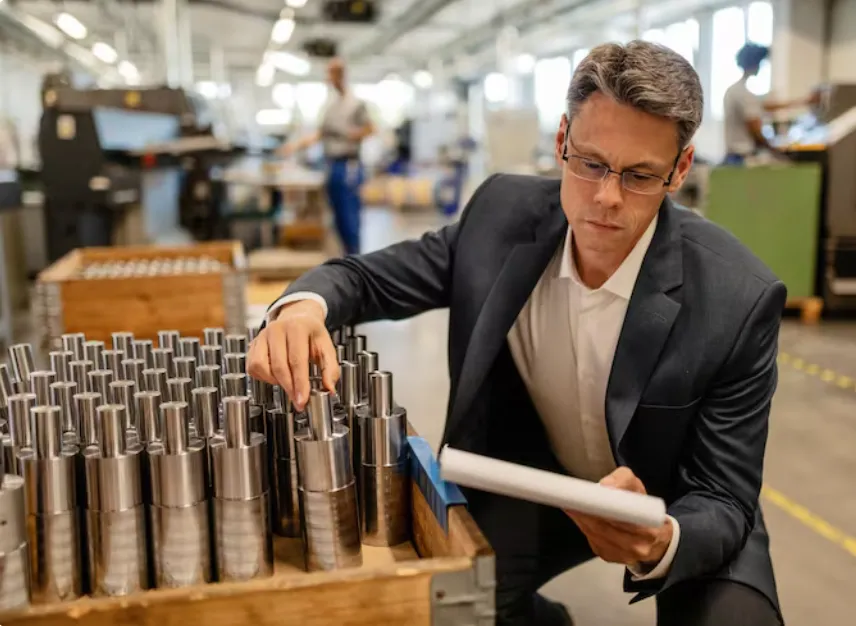
Off-the-shelf parts work until they do not. A bracket that is two millimetres too wide, an alloy that corrodes in your plant, a shaft that wears out in a month. When standard stock falls short, you Buy Custom metal products built around your drawing instead of forcing your design to fit.
Custom does not have to mean slow or confusing. It means choosing the metal, the shape and the finish that suit the job. Aerospace, energy, medical and heavy industry all rely on this approach. A little planning up front keeps costs and delays under control.
Why Standard Stock Often Fails
Catalogue parts are made for the average user. Your process may not be average. Odd temperatures, harsh chemicals or tight tolerances can push a standard part past its limits.
Forcing a poor fit costs more later. Extra machining, rework and early failures add up fast. A part made for the task usually lasts longer and runs better. That saves downtime, which is often the biggest hidden cost in any plant.
Think about the full life of the part, not just its price tag. A cheap bracket that fails twice a year costs more than a better one that lasts a decade. Count repairs, lost hours and replacement orders before you compare quotes.
Choosing the Right Metal Grade
Start with the working conditions. Stainless steel resists rust. Titanium is light and strong. Copper carries heat and current well, while nickel alloys survive extreme heat. Each grade has a job.
Ask for the material specification and a mill certificate. These papers prove what the metal really is. Match the grade to temperature, load and exposure. Paying for a higher grade than you need wastes money, but too low a grade risks failure.
Tolerances, Finishes and Fit
Tolerance is how much a size may vary. Tighter tolerances cost more, so set them only where the part needs them. A hole that takes a bearing needs precision. A cover plate usually does not.
Finish matters as well. Polishing, anodising, plating and coating each change wear, looks and corrosion resistance. State your finish on the drawing. Clear notes stop arguments later and make sure the part arrives ready to use.
Think about how parts fit together too. Two parts that are each within tolerance can still clash when stacked. Review the whole assembly on paper, and ask your supplier to flag any spots where small errors could add up.
Sourcing Precision Metal Components USA
When you look for Precision Metal Components USA, check how the supplier tests and records each batch. Ask about inspection tools, material traceability and past work in your industry. Good answers come quickly and plainly.
Share your drawings, material grade, quantity and delivery date early. Ask about lead times, since special builds take longer than stock items. A supplier who asks smart questions about your design usually cares about the result.
Quality Checks Before Delivery
Quality is built in, not added at the end. Look for dimension checks, hardness tests and surface inspection on every batch. Ask to see the report. A reliable supplier shares it without delay.
Request a first article sample for new designs. Measure it against your drawing before approving a full run. Fixing a problem on one piece is cheap. Fixing it on a thousand pieces is not.
Check packaging as well. Metal parts can scratch, dent or rust in transit if they are wrapped badly. Ask how items are separated, sealed and labelled. Good packing protects the finish you paid for and makes receiving easier.
Planning Orders and Lead Times
Plan orders early, since custom work needs time for material, machining and testing. Rush jobs cost more and leave less room for checks. Build a small buffer into your schedule.
Keep records of every order, drawing revision and test report. When you reorder repeat the same specification to keep results steady. Review need each quarter and place larger orders when volumes are clear. Steady planning cuts both stock costs and surprises.
Conclusion
Specialized work needs parts built for the task. Pick the right grade, set sensible tolerances, check quality and plan orders early. Those habits keep projects on time and costs under control.
Ready to start? Visit regmetals.com to explore the range and share your project needs. Begin with a clear drawing, ask direct questions and build from there. The right part makes the whole job easier.