Flooring in food production and commercial food-service environments works under unusually demanding conditions. Water, oils, cleaning chemicals, carts, equipment, dropped tools, and frequent sanitation cycles can gradually damage even a well-built surface. When cracks, worn patches, or failing coatings appear, simply covering the visible problem may provide only temporary improvement. Facility managers need to determine whether isolated repairs are sufficient or whether the underlying concrete and flooring system require a more complete restoration approach.
Identify Why the Floor Is Failing
Visible damage does not always reveal the original cause. Peeling coatings may result from poor adhesion, moisture movement, contamination, or inadequate concrete preparation. Cracks can develop from slab movement, impact, or deterioration around joints.
Before selecting a repair method, the existing floor should be assessed carefully. Inspecting damaged areas can help distinguish between surface wear and deeper substrate problems. This evaluation also provides an opportunity to identify sections repeatedly exposed to water, heat, chemicals, or heavy traffic.
Treating the cause rather than only the symptom is important because new flooring will still depend on the condition of the concrete underneath.
Consider the Facility’s Cleaning Routine
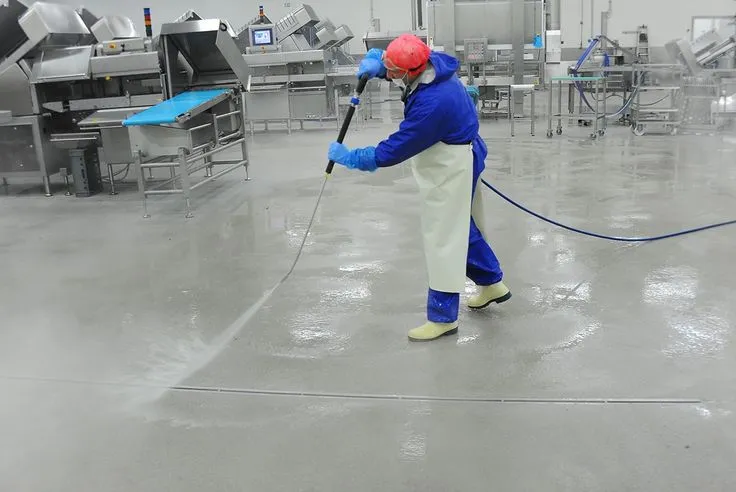
Food facilities often use frequent washdowns, detergents, degreasers, and sanitation chemicals. Flooring therefore needs to tolerate routine cleaning without softening, staining, separating, or becoming unnecessarily difficult to maintain.
When planning Food Services Flooring Installation Nj, managers should explain how the facility is actually cleaned. The contractor needs to understand whether areas experience daily washdowns, hot water, concentrated cleaning products, or frequent standing moisture.
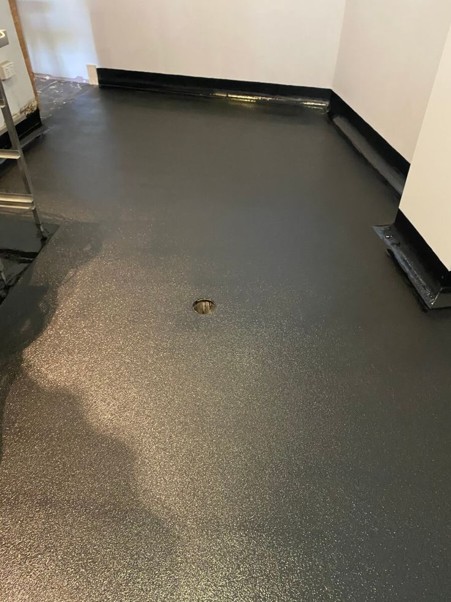
This information can influence the choice of resin system, surface texture, topcoat, and detailing around drains or transitions. Flooring works best when it is selected around operational procedures rather than forcing staff to redesign those procedures afterward.
Restore Damaged Concrete First
Installing a new resinous layer over deteriorated concrete can hide damage without correcting it. Loose material, cracks, spalled areas, failed patches, and damaged joints should normally be addressed before the coating system is applied.
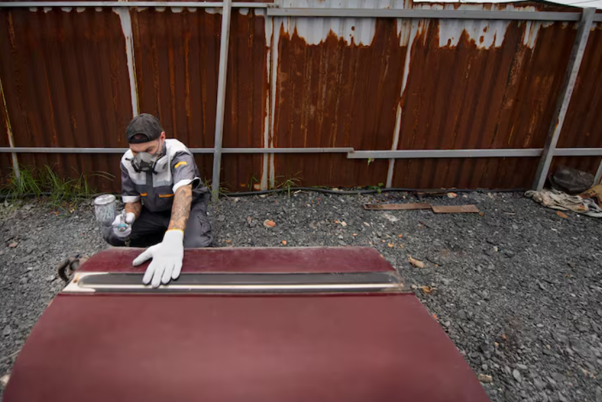
Mechanical preparation can remove weak surface material and previous coatings while creating a profile for the new system. Depending on the condition of the slab, installers may use grinding or shot blasting before completing repairs.
The preparation stage can seem less important because it disappears beneath the finished floor, but it has a major influence on adhesion and long-term performance.
Match Texture to Working Conditions
Slip resistance is an important consideration where water, oils, ingredients, or cleaning solutions may reach walking surfaces. Yet more texture is not always better.
An aggressive profile may provide additional traction but can also increase cleaning effort. A smoother finish may be easier to maintain but inappropriate for consistently wet areas. The practical solution is to consider how employees move through each zone and how frequently contamination occurs.
Processing areas, wash stations, preparation rooms, storage spaces, and corridors may have different requirements. The flooring specification should reflect these differences rather than treating the entire building as one identical environment.
Decide Between Repair and Restoration
Small isolated defects do not automatically require replacement of an entire floor. In some cases, targeted repairs can restore functionality and extend the useful life of an existing system. Other situations involve widespread deterioration that makes repeated patching inefficient.
Facilities considering Food Services Flooring Restoration should evaluate the percentage of damaged surface, condition of the concrete, age of the existing system, history of repairs, and operational disruption caused by recurring failures.
If repairs are becoming frequent or damage extends across multiple work zones, a broader restoration project may provide a more consistent surface and a more predictable maintenance plan.
Schedule Work Around Production
Flooring projects can affect sanitation schedules, employee access, equipment placement, and production. Before work begins, managers should determine which areas must remain operational and which can temporarily close.
Phased installation may be useful in larger facilities, but every phase still needs adequate time for preparation, application, and curing. Equipment should not return to the surface before the flooring system is ready for its intended traffic.
A clear schedule also allows sanitation and operations teams to coordinate their responsibilities before reopening each area.
Build Maintenance Into the Plan
Restoration should not end when installation is complete. Staff should understand appropriate cleaning procedures and know how to identify early signs of damage.
Minor gouges, cracks, or impact damage are generally easier to manage when addressed promptly. Regular inspections around drains, joints, equipment, and high-traffic routes can help maintenance teams identify developing problems before they spread.
Conclusion
Food-service and processing floors should be treated as functional infrastructure rather than simply finished surfaces. Their performance influences sanitation routines, employee movement, maintenance requirements, and everyday operations.
When deterioration appears, the best response begins by determining why the floor is failing. Careful concrete assessment, proper preparation, appropriate texture, compatible materials, realistic scheduling, and planned maintenance can produce a more dependable result. By evaluating the entire flooring system instead of repeatedly covering visible damage, facility managers can make restoration decisions that better support demanding food-service environments.